


Overview
We exploring Addis Ababa beginning with a visit to the National Museum, one of the most important sub- Saharan museums in all of Africa. The museum is home to the fossilized humanoid Lucy, as well as an amazing collection of artifacts, royal items and art. We then visit the Ethnological Museum, which was the former palace of Haile Selassie.
Itinerary
Day 1 :
Addis city tour
Arrive to the sunny city of Addis Ababa. Up on your arrival, our driver and guide will wait you at the airport holding sign your group name written on it so that you can easily spot him. They will transfer you to the hotel and right after your check-in, start your first day in Addis.
Based on the time you have, you will visit the below sites.
National Museum:
It comprises of many archaeological and historical findings including the famous complete hominid fossil remain of “Lucy” locally known as “Dinkinesh” meaning wonderful.
The Museum offers a comprehensive overview of the country’s natural, political and art histories. Visitors can easily spend an full morning or afternoon here soaking in the “edu-tainment.” A cast of the bones of the Australopithecus afarensis Lucy are here of course, but so is the throne of Emperor Haile Selassie, traditional tools and textiles, and displays about Ethiopia’s different tribes. It’s worth it to engage one of the Museum’s guides on a tour.
Merkato-
It is the largest open-air market in Africa. Here you will be presented with confusing, but fascinating, glimpse of the vast range of goods and artifacts available from all parts of the country and you will enjoy the Ethiopian trade exchange tradition in the open air, you can purchase anything you desire here.
You will have a lunch in Tayitu, the very first hotel in Ethiopia Addis Ababa. The hotel is also one of the oldest attractions in Addis. After lunch, you will go to Tomoka, the best place of coffee in Addis, you can also buy different coffee bean
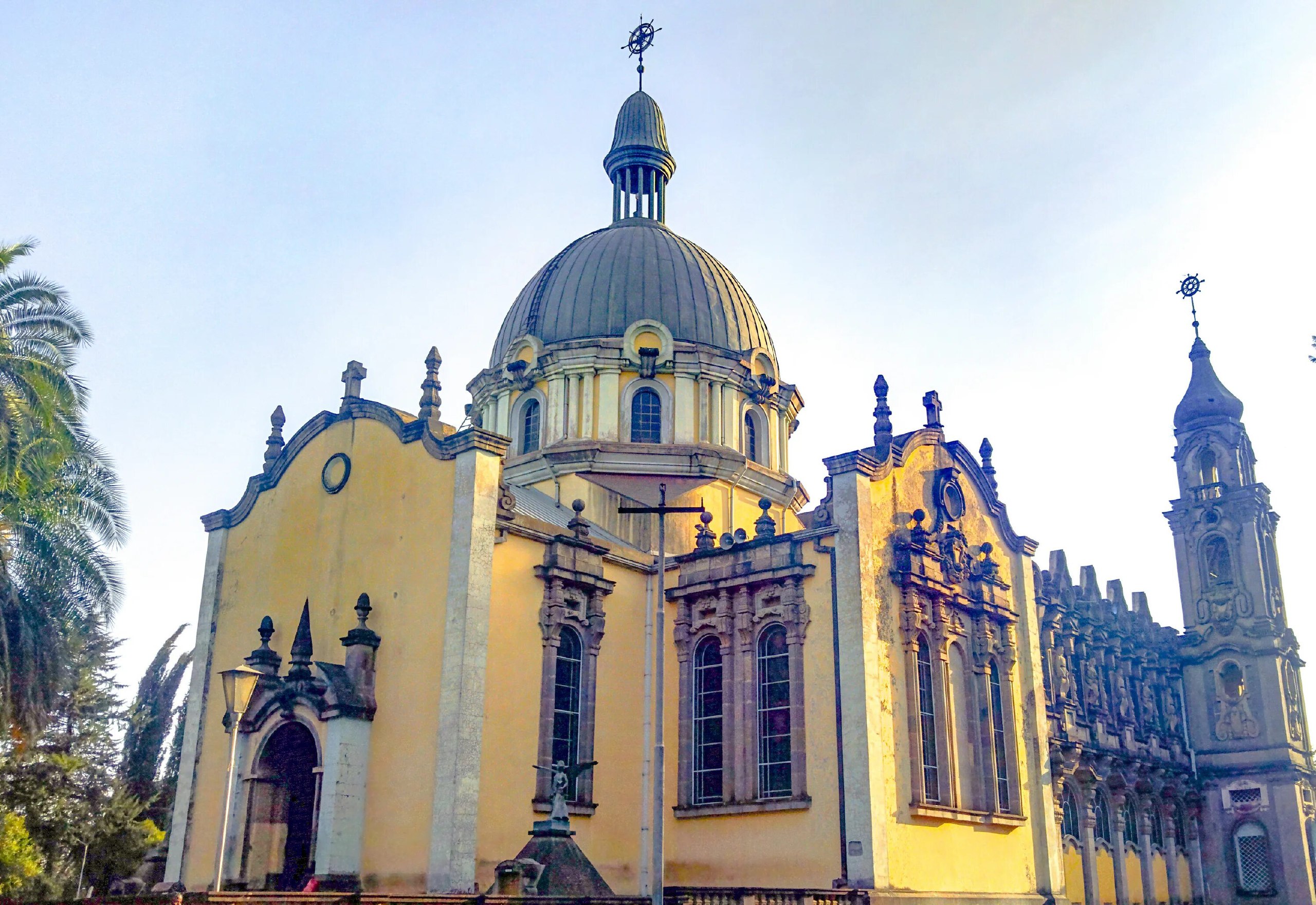
Trinity Cathedral
A beautiful church with a baroque style of European architecture which is unique to both Ethiopia and Africa and is dedicated to the holy trinity. Here you will find scripts of the imperial families, status done by a Greek sculpture stained glass window paintings from the old and new testament in the bible and coffins of Emperor Haile Silassie –I, the founder of the church and his wife.
Weaving style at shiromeda :
This is making of cultural clothes with different designs in traditional way. Here you can see while the weavers are weaving and selling the products in the nearby to their weaving place. The main products are the traditional shema clothes like “Gabi”, “Netela”, etc…… from cotton, which are completely in different style with other industrially made nylon clothes. The national cloth is also made in the same way. Even if weaving is the activity that can be done in every part of the country, there are people who are specialized for this activity making quality cultural clothes in many different forms. These are Dorze people, one of the southern nations and nationalities who are also known for their beehive elephant head. In Addis Ababa they are leading in supplying the cultural clothes.
Mount Entoto-Top View of Addis
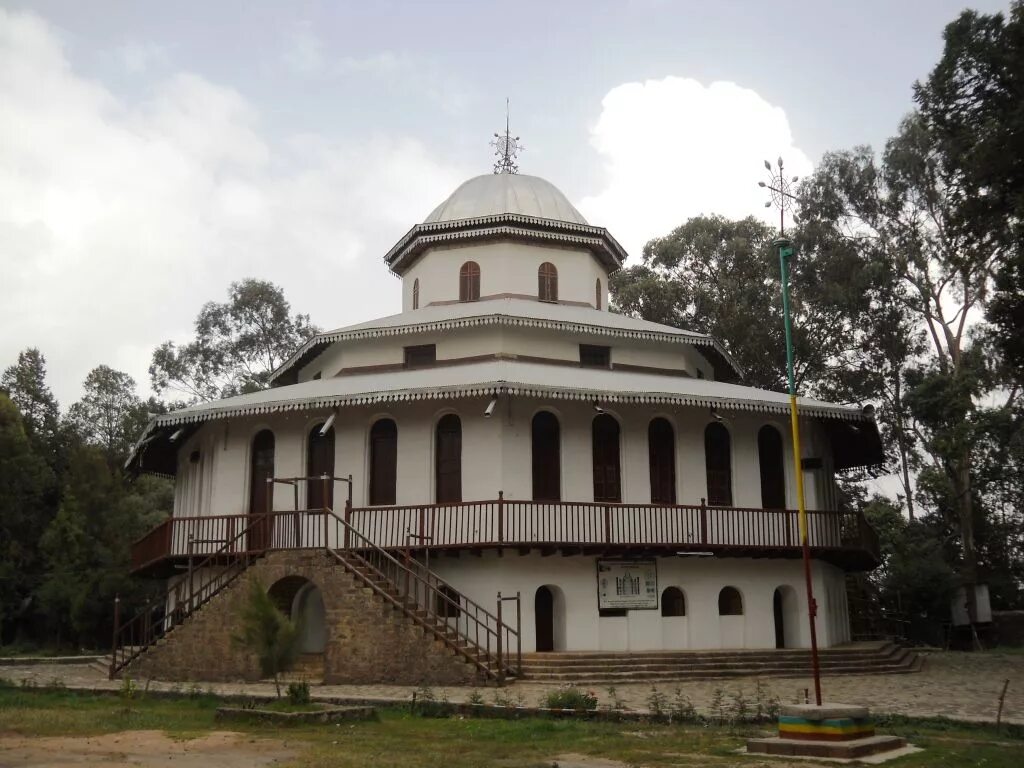
It is the highest pick in Addis with an altitude of 3200 meters, which was the site for the first palace of Emperor Menelik-II, the founder of Addis Ababa. Here there is St. Mary church, where Emperor Menelik crowned as Emperor in it and you will admire the panoramic view of the city with its surrounding forests and the breath taking air.
cost include
- Bottled water and local snacks in the van
- Comfortable private vehicle equipped with air conditioning and shoulder seat belts
- Professional experienced English speaking tour guide
- Traditional Ethiopian Coffee Ceremony Attendance
- Hotel pickup / Hotel drop-off
- Entry/Admission – National Museum of Ethiopia, Addis Mercato
Cost Excludes
- Guide gratuity
- Food and drinks, unless specified
- Entry/Admission – Holy Trinity Cathedral, Kiddus Raguel Church
Map


